Guided moose safaris in the forests of Värmland, just 11 km from the cabin. A chance to encounter the region's famous white moose. Book safari and accommodation with us.
By Christer at Sulvikstugby · Updated 22 May 2026
Moose Safari in Arvika: experience nature from Sulvikstugby
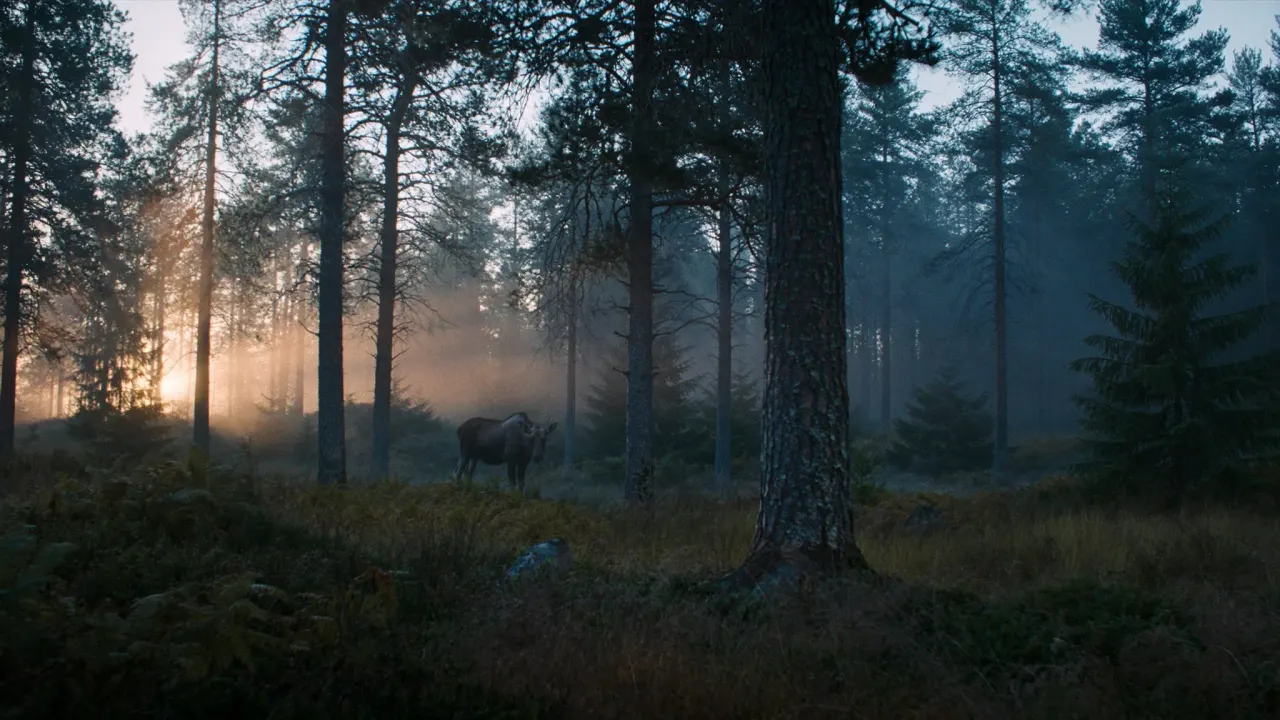
A cool forest track, an attentive guide pointing silently to the right, and suddenly, a cow moose lifting her gaze above the heather. That is the moment guests talk about when they return to the cabin after a moose safari in Arvika. When you stand with binoculars trained on a dark spruce ridge, you understand why so many people travel here specifically for this encounter with the king of the forest.
We have watched countless visitors return quiet and smiling from their first safari, and we know how easy it is to combine the outing with a couple of peaceful nights by Glafsfjorden. On this page you will find a practical picture of how to plan your moose safari, what awaits you in the forest, and why the short distance from us to the starting point makes the whole weekend simpler.
Why start the safari from Sulvikstugby
Just 11 km to the starting point
Moose safari via Arvika Adventures departs from Arvika town centre. From the cabin you get there in a quarter of an hour, making early dawn departures easy to catch without stressful travel time.
Right in the middle of moose country
Glaskogen nature reserve lies 25 km away and is one of Värmland's most expansive wilderness areas, perfect habitat for moose, deer and roe deer.
A calm return by the lake
When the safari is over you head back to the cabin by Glafsfjorden, just 1 km from the water's edge, for coffee, post-safari chat and an afternoon by the lake.
Värmland's white moose: a rare sight
Värmland has long been associated with white moose. The pale coat is the result of a gene that persists in the regional herd, and this is one of the few areas in the country where such a sighting is even possible. We make no promises that you will see one on your tour, that would be dishonest, but you are in the right landscape for the chance.
Standing with binoculars and hoping is part of the experience in itself. Most guests are more than satisfied with an ordinary cow moose and her calf in the evening light, and still talk about the encounter long after they have returned home.
When is the best time of year for a moose safari?
Moose move year-round, but certain periods offer more activity and better visibility:
- May to June: Calves are newborn and cows stay close to the forest edges. Soft light and long evenings.
- July to August: Dawn and dusk give the most sightings. On warm days moose seek shade deeper in the forest.
- September to October: Rutting season. Bulls move out in the open and the sound of bellowing in the morning is something you will not forget.
What a typical safari looks like
You meet the guide in Arvika and drive out to the forest terrain by vehicle. The pace is relaxed, often mixed with short walks to viewpoints and passages where moose regularly move. The guide knows the terrain and understands how the wind needs to sit to get you close without startling the animals. That detail often determines the whole evening.
Bring binoculars, layered clothing and sturdy shoes that handle moisture. Mosquito and tick repellent during the summer months is wise, and a thermos of something warm is always appreciated when the silence settles over the forest.
Combine the safari with days by Glafsfjorden
Many of our guests build an entire weekend around their moose safari in Arvika. A typical rhythm: arrive on Friday, dawn safari on Saturday, an afternoon swim in Glafsfjorden and a quiet Sunday with a hike up Bergs klätt, 6 km from the cabin with views across the lake. If you want more nature, Glaskogen's trails are within half an hour's drive, and Arvika town centre is close enough for lunch on the way home.
What guests appreciate most
When we have helped customers plan their weekend, three things keep coming up: how easy it is to roll out of bed and be on site in time for the dawn tour, how deep the silence is in Glaskogen's terrain, and how well a calm afternoon by Glafsfjorden balances the concentrated focus of the safari.
Practical information
- Distance from the cabin: 11 km to Arvika town centre where the safari begins
- Season: Spring to autumn is generally the best period. Check with the operator for current dates
- Price: Arvika Adventures 850 SEK/person (4 hours incl. fika). Glaskogen safari 5,800 SEK/group
- Booking the safari: Made directly with the operator. Arvika Adventures: arvikaadventures.se
- Accommodation: Book the cabin via Sulvikstugby and feel free to ask us for tips on transport and timing
Frequently asked questions about moose safari in Arvika
How long does a moose safari take? Most tours run for 3 to 4 hours. Exact duration varies by season and format; check with Arvika Adventures directly.
Is it guaranteed that I will see moose? No. These are wild animals in their home territory. The chances are good here, though, and the guide knows which areas have been active in recent weeks.
Is the safari suitable for children? Often yes, but it does require patience and periods of quiet. Ask the operator about age recommendations for the different tours.
What should I bring? Binoculars if you have them, layered clothing, waterproof shoes and something to drink. Mosquito and tick repellent in summer.
Are white moose really white? Yes, but they are rare even here. Värmland is one of the few areas where the gene variant persists, with around 50 to 100 white moose in the whole county.
Can I go on a safari the same day I check in? It can often be arranged with a little forward planning. Get in touch and we will happily help you work out the timing.
Is safari available year-round? Availability varies by season. Contact the operator for current dates and conditions.
Book your moose safari in Arvika from Sulvikstugby
Book the cabin with us and get the tips you need to build your weekend around the safari. In our experience it is the combination of a guided tour and quiet hours by the lake that brings guests back year after year.
Maria & Christer
Ägare av Sulvik Stugby