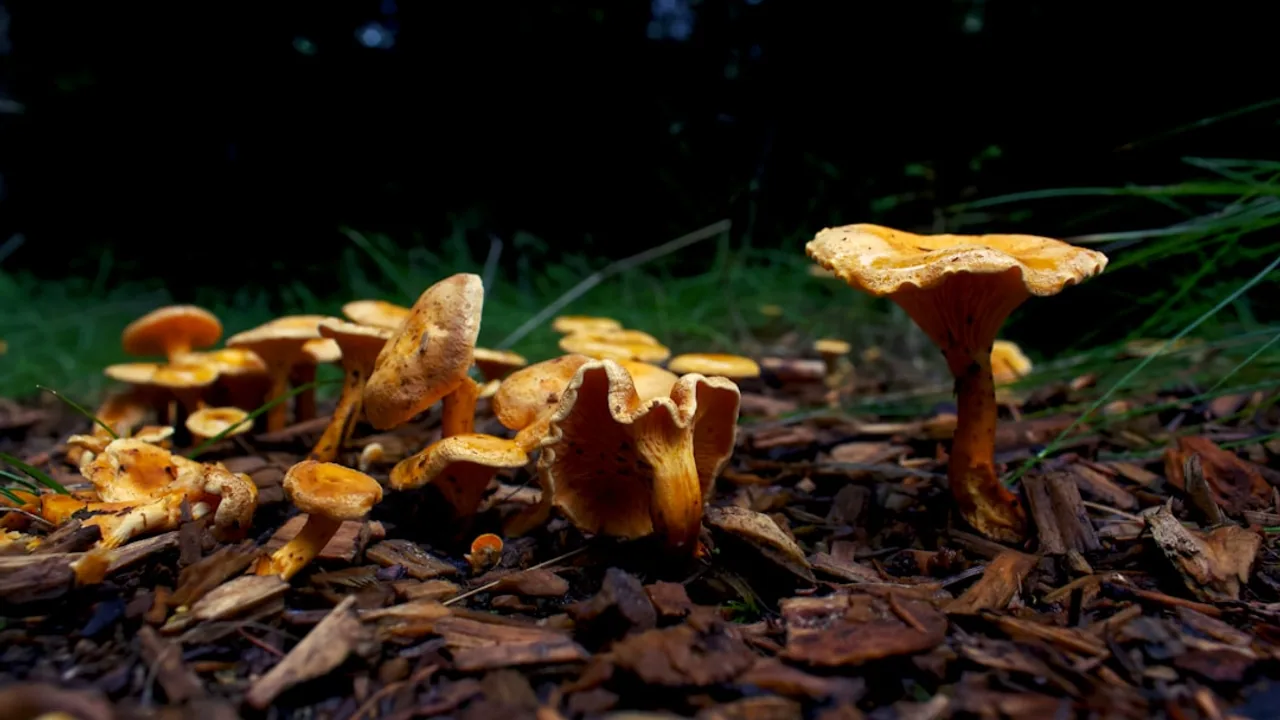
When autumn arrives in Värmland the forest becomes a pantry. Local tips on where to find chanterelles and porcini near our cabins in Sulvik, seasonal timing, safety and recipes from your hosts.
Autumn in Värmland is hard to beat. The air turns crisp, the forests around Sulvik glow yellow and red, and for anyone who loves mushrooms it is paradise. The woodland behind our cabins is often rich in both chanterelles and funnel chanterelles, and a short drive into Glaskogen brings you to dense stands of porcini (Boletus edulis). This is the season we, Maria and Christer (Kitten), like best.
Best timing in the Värmland forest
After years of foraging the same patches we have a feel for when things peak:
- Chanterelles: mid-July to late September. Earlier than expected in a wet summer.
- Funnel chanterelles: September to mid-October. Tolerates light frost and can grow into November in a mild autumn.
- Porcini / King Bolete: late August to early October. Mixed forest, often near spruce and birch.
- Saffron milk cap & black trumpet: September–October. A little harder to find, but worth it.
Rule of thumb: 1–2 weeks after a real rain spell is when the forest explodes.
Our favourite spots (open to all)
Sweden's right to roam (allemansrätten) means you can pick mushrooms on almost any forest land that isn't fenced or right next to a private home. A few places we recommend:
- The forest directly behind the cabin: five minutes' walk in. Plenty of chanterelles in a good year, especially along the edge between pine and spruce.
- Glaskogen nature reserve (25 min by car), untouched old-growth forest, dense porcini. Bring a map; it's easy to lose your bearings.
- Forest trails around Arvika: shorter walks, often plenty of funnel chanterelles in late autumn.
We're happy to share a hand-drawn map of sweet spots when you arrive, one of the small perks of staying with us.
Safety: the important part
Foraging is safe if you follow a few simple rules:
- Only pick what you can identify with 100 % certainty. If in doubt, leave it.
- The most dangerous mushroom in Sweden is the destroying angel (Amanita virosa). It grows in deciduous forest and can be lethal. Learn to recognise it before you start.
- Use a basket, not a plastic bag, so air can circulate and the mushrooms don't get crushed.
- Watch the clock: it's easy to lose your sense of time and direction in the forest.
- Apps like Svampguiden and PictureMushroom are useful for a second opinion. We use them ourselves.
If you're a beginner, get in touch before your stay and we can recommend a local mushroom course in Arvika.
What to do with the haul
The real fun starts back at the cabin. Our routine:
- Clean and brush the mushrooms on the deck. Trim the very bottom of the stem.
- Fry in butter with salt and pepper, simple is best. Chanterelles really don't need more.
- Mushroom toast Skagen-style: fried chanterelles on toast with crème fraîche and a squeeze of lemon. A classic.
- Preserve the rest: dry funnel chanterelles in the oven at 50 °C for 4–6 hours and you have stock-pot flavour all winter.
Porcini are magnificent in a risotto, or dried and ground as a seasoning.
Beyond the mushrooms
Once you've picked your fill, there's plenty more on offer:
- A final swim in Glafsfjorden, water is often warmer than you think well into September.
- Hiking in Glaskogen: the autumn colours peak in the first weeks of October.
- Local farm shops around Arvika for apples, cheese and smoked fish.
- Fire and a glass of wine on the cabin deck when it gets cold, the woodshed is stocked.
Summary
Autumn in Sulvik is more than just mushrooms. It's a mood, clear air, the deep red of the maple, quiet by the lake, and the smell of mushrooms frying in butter. Book your autumn week early, many guests come back specifically for this season, from late August through mid-October.
Have questions about what's flowering right now or where the best foraging is? Get in touch before you arrive, we like sharing the knowledge we've built up over the years.
Maria & Christer
Ägare av Sulvik Stugby